


Doruntina Golaj & Drilon Shala
During a weekday evening in Obiliq, municipal offices looked different than usual. Although regular working hours had ended, the municipality scheduled the budget hearing at a time that allowed citizens to attend without interrupting their daily obligations. Some arrived straight from work, holding notebooks in their hands, and others were there just to listen. For many, it was their first time participating in a budget planning meeting.
Budget planning is often perceived as technical and not as a space for the community to shape decisions. By adjusting the time of the hearing, the municipality created space for citizens to participate. What might have once been an empty room slowly filled with questions and ideas. Moments like this illustrate how local budgets are more than spreadsheets and procedures. They shape daily life, influencing everything from schools and health services to parks, roads, and accessibility in public spaces.
In different municipalities, different ways of responding have been initiated. In South Mitrovica, one such meeting gathered artists and cultural workers to discuss how public funding could better support creative spaces and cultural initiatives. By tailoring discussions to specific groups, participants came prepared to share the challenges they face in their daily work and felt comfortable sharing perspectives that might otherwise remain unheard. Some other days, the meetings were not only held in municipality offices, instead they were brought into neighbourhoods and local communities.
Meanwhile, in Graçanica, municipal officers included targeted consultations in their tasks, and they invited a diverse group of participants from school representatives, civil society organizations, farmers, businesses, minority members, and health institutions. Around the same table, participants discussed priorities that reflected different experiences of daily life. Municipal officials gained a fuller understanding of the needs shaping the local surroundings.
After hearing different voices, the question that followed was: What happens next?
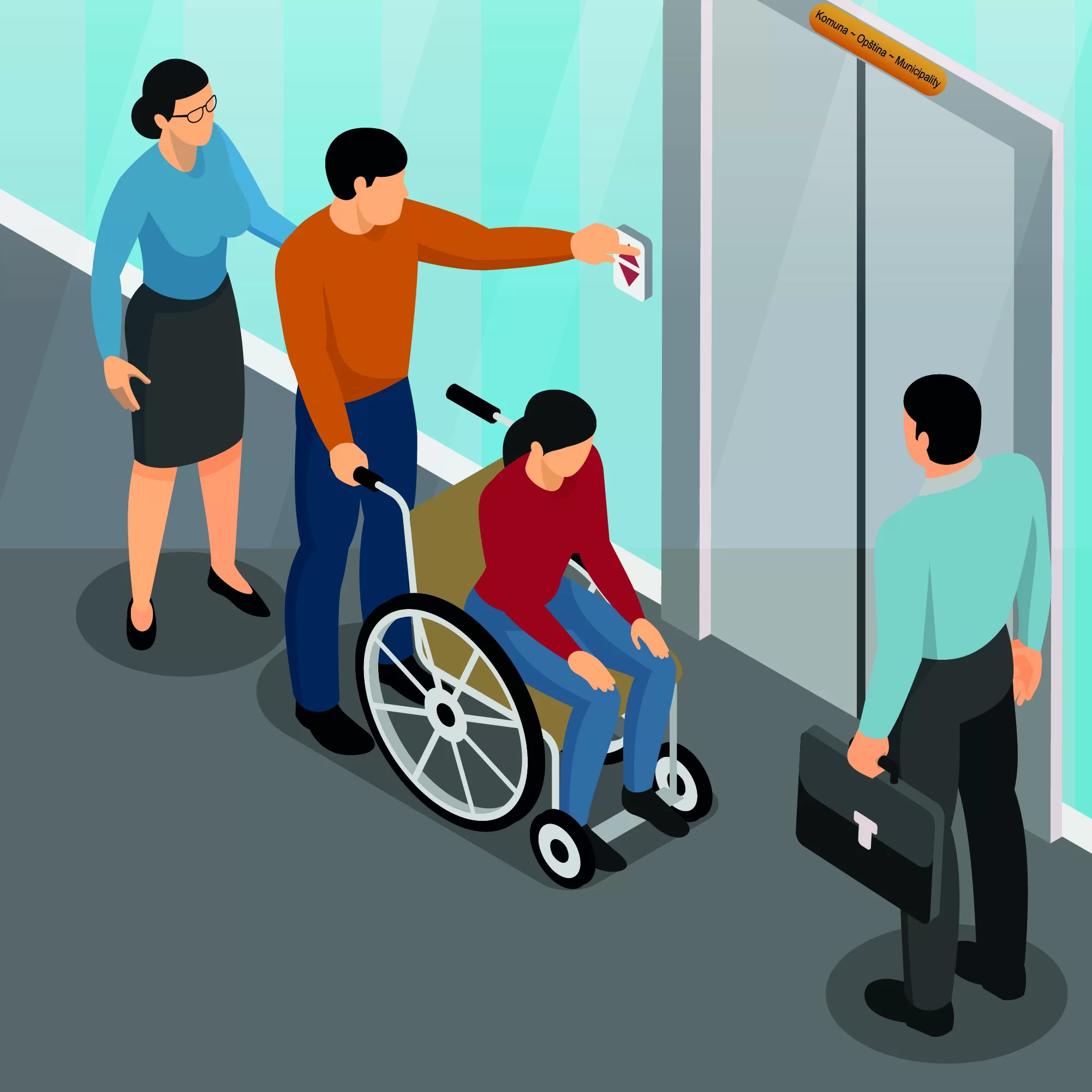
In Hani i Elezit, a woman with a disability raised her voice in this meeting and shared a barrier she regularly faced. The municipality building did not have adequate infrastructure to accommodate people with limited mobility. Following the discussions, the municipality took concrete steps to address the problem. Today, a new elevator is functioning in the building, making the space accessible not only for her but for many other.
Similar moments can be seen elsewhere, too. In Peja, members of the children’s assembly brought forward a proposal about improving schools and nearby areas. Of course, the children talk about their own surroundings. Their ideas translated into improvements in school environments, demonstrating that even the youngest ones can shape decisions when given the opportunity to participate.
A group of citizens from a village in Istog raised the need for a shared community facility. They wanted a space where they could gather for meetings, events, and local activities. The municipality recognized the importance of the proposal and agreed to support the request. However, the available municipal budget could not fully cover the cost of the construction. The people stepped forward. They decided to contribute and cover the remaining costs, working together with the municipality and making the project possible.
In Kaçanik, participants attending the consultations were not only presenting their ideas, but they were also trying to better understand how those ideas would be evaluated. To respond to why some proposals move forward while others do not, the municipality introduced a point-based system. Citizens could now see how proposals were assessed from the beginning. Projects that created stronger social, environmental, or inclusion benefits received higher points, while initiatives led by women or persons with disabilities were given additional weight. What once felt like an unclear process gradually became easier to follow.
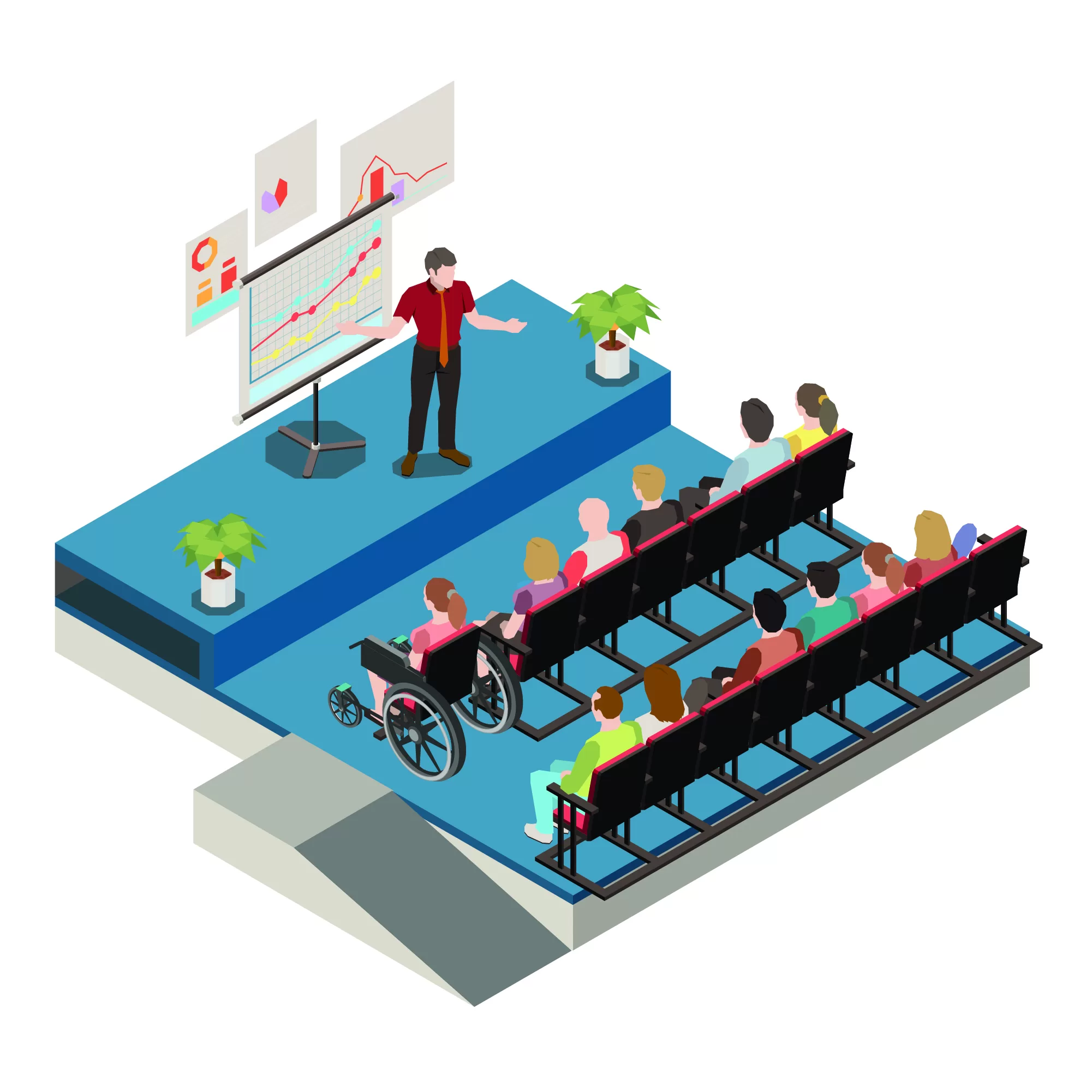
A similar conversation was taking place in Gjakova. To make it clearer how projects were prioritized, officials explained the criteria used to allocate health-related subsidies, focusing on those facing serious illnesses or those with limited access to other forms of assistance. By presenting these criteria openly during the meetings, citizens could better understand how these decisions were made. Gentiana Qurdina Nixha, Head of the Municipal Budget Sector in Gjakova, reflects on how clearer communication has helped strengthen the process:
“The support of Helvetas has been essential in strengthening budget planning over the years, increasing both efficiency and transparency in decision-making. The municipality has been able to inform citizens more effectively through hands-on brochures, which visually present the importance of an active citizen’s voice in decision-making processes and, ultimately, in concrete projects.”

Rahovec faced a different challenge: not everyone could attend the public budget meetings as some of them had family responsibilities, and others simply could not be there that day. To make sure their ideas were still included, the municipality accepted proposals in writing too. In this way, even those who were not present in the room could still contribute to the decision-making.
In Drenas, municipal staff began sharing consultation calendars, hearing announcements, and key budget information in simpler and more visual formats. Citizens found the information easy to understand and could quickly see when meetings would take place and what topics would be discussed. Municipal staff themselves noticed how these changes improved the process. As Bekim Dobra, Director of the Public Relations Office in the Municipality of Drenas, explained:
“Helvetas’ support has played a crucial role in improving our budget planning over the years, enabling greater transparency and more sustainable decision-making. The working group had close cooperation and professional support during the public consultation process and the drafting of the municipal budget for 2026. This contribution has been essential in developing an inclusive and transparent process, in line with local governance best practices.”

Just as significant was demonstrating what happened after consultations. In Dragash, municipal staff began documenting the discussions and publishing summaries of the feedback received. Citizens could later return to see which ideas had been raised and how the municipality responded. In Prizren, proposals from previous years were reviewed to assess whether they remained relevant, reinforcing continuity and accountability. Some ideas had not been implemented immediately, but they were not forgotten.
These small but meaningful initiatives sent a strong signal that public engagement can lead to visible change.
Meetings became easier to attend, information became easier to understand, and citizens could see how their suggestions moved through the process. These selected success cases illustrate how municipalities, with little improvements, can strengthen trust and build a culture of shared responsibility.
Municipality offices that once felt distant from everyday life slowly began to fill with questions, ideas, and voices from the community.

